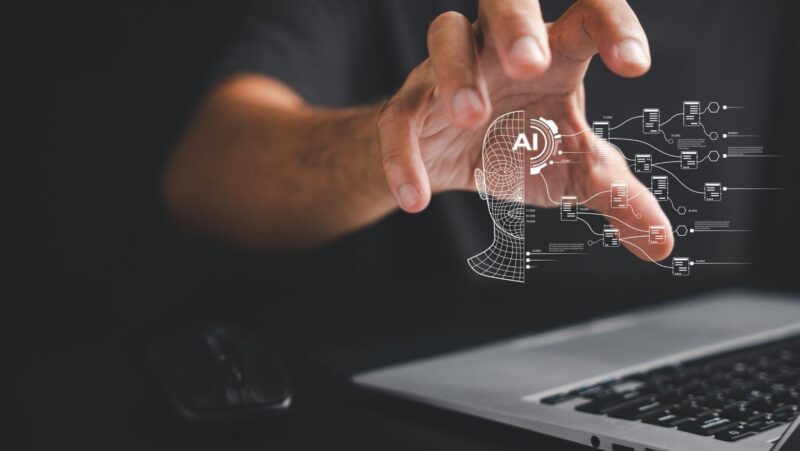
The internet of today runs on a currency of far greater value than Bitcoin or fiat money: trust. As the digital ecosystem has evolved, so too has the architecture of trust that’s imposed on it. From basic alphanumeric passwords, it has evolved into sophisticated, multi-layered identity verification systems.
These technologies are more than just these gatekeepers; they’re the bedrock of how the world buys, sells, communicates, and consumes information. As cyber threats become more sophisticated, innovation in advanced digital identity verification is an overhaul of how web security is designed. It shifts the internet’s focus from anonymity and the high risks it entails to an era of accountability and verified authenticity.
Vetting Online Entertainment and Platform Integrity
There’s no better place to focus on the fight over digital trust than online. Entertainment and gaming are seen as high-stakes sectors, where consumers make sure to read a Ducky Luck analysis before engaging. This sector is often a pilot for new security measures, since transaction volumes are enormous and its users are spread geographically. Clear licenses and strong encryption are hallmarks of credible sites, including SSL.
Nevertheless, safety responsibility is shared, and security experts often stress the importance of verifying a platform’s reputation through third-party reviews. It’s a necessary step before taking any action that could reveal personal information. For example, astute players check third-party reviews to learn how established operators use encryption. It’s used to secure players’ data and to ensure fair play.
After a user confirms that a particular platform is legitimate, the site’s internal verification systems activate, and a secure tunnel is established. This keeps the user’s sensitive financial information out of the reach of external threats.
The Mechanics of Modern Identity Verification
The technology behind these safety nets has advanced far beyond basic database checks. The Biometric System Modern systems now use biometric analysis to establish a user’s identity to a high degree of confidence.
This includes both facial recognition technology and “liveness detection,” a process that verifies the person recognized is actually a person. It confirms they aren’t a deepfake or a static image as they speak. Government-issued ID scanning uses optical character recognition (OCR) to automatically detect fraudulent IDs or changes to existing passports and licenses.
Demand for solutions like these is exploding worldwide. The global market for online identity verification services for paying consumers is expected to reach approximately $63.02 billion by 2033. This spike is driven by a growing awareness that usernames and passwords no longer cut it for securing valuable digital resources.
Combating the Surge in Digital Fraud
When verification measures improve, so do criminals. This is especially true regarding first-party identity fraud. Someone uses their real identity to commit fraud, and there’s synthetic identity fraud. Real and fake information are used to create a new identity. Data in 2024 reflected that online gaming accounted for almost 55% of all first-party fraud.
This makes sense considering that first-party fraud most frequently occurs in industries with high transaction volumes and rapid processing. Automated systems help close this gap by reviewing thousands of red flags. It’s like the physical impossibility of logging into a gamer’s account in two different countries within minutes. This happens in seconds, spotting something that would go unnoticed by human moderators.
Privacy by Design and Balancing User Data

There’s great tension between the need for rigorous verification and the user’s right to privacy. Current network models used to verify user identities in history aren’t secure. They have required users to provide large amounts of sensitive information to prove a certain age. Verifying a specific person often creates a “honeypot” for hackers.
The new wave of identity verification gets around this with concepts such as zero-knowledge proofs. It’s a cryptographic method enabling systems to securely validate specific claims about users.
For instance, it might prove someone is simply over the age of 18 without revealing private details. Users won’t need to disclose their actual birthdate or other identity documents. This strategy matches the idea of decentralized identity because it’s how users control their own credentials. They’ll share them only on a very strict need-to-know basis.
The Architect of Digital Trust
The evolution of digital identity verification hasn’t merely been a vital upgrade to a technical standard. It has served as a strong adaptation to a safer internet. These systems are building security into the core of user interaction. It’s a way to ensure the security of both the platform and the individual involved. They offer safety from an ever-present, growing collection of digital threats.
As artificial intelligence (AI) and deepfake technologies continue to advance, confirming real identity won’t be viable. Proving someone is human beyond a reasonable doubt isn’t possible. It will be the new standard for the digital world. This change ensures that, as the internet grows, it remains a place where innovation can flourish. It simply won’t be strangled by the fear of fraud.
About The Author