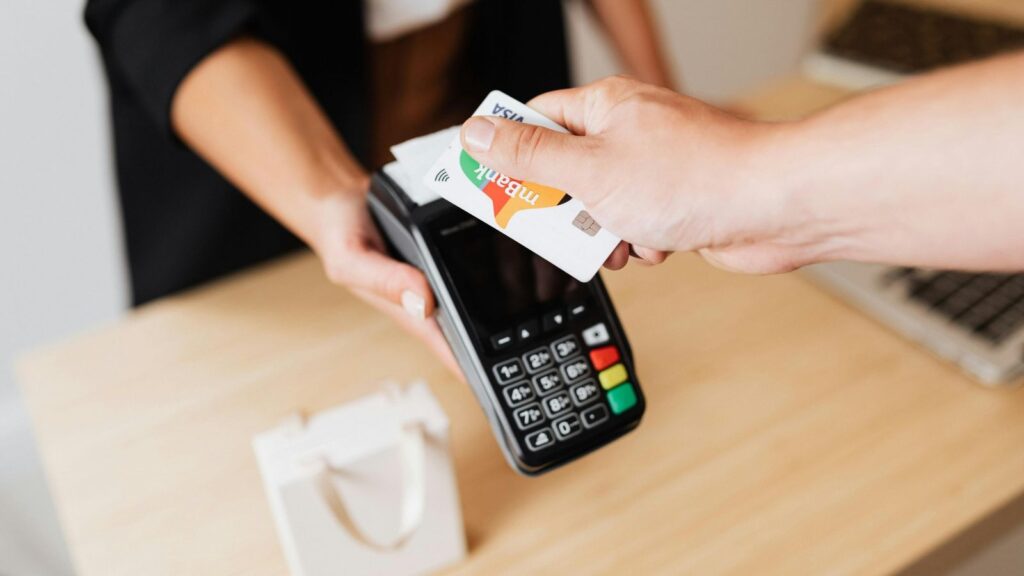
Tanzania is developing a culture of homegrown payment methods. This could be a huge benefit for casino operators, who may incur lower costs and quicker operations.
Casino gaming in Tanzania is now a major source of revenue. It has brought in TZS 260.21 billion over the last four years, a figure that is growing. This has been due to smartphone adoption and mobile infrastructure. Yet further changes to how it uses payments could be a boost to those operating in the country.
The Mobile Money Casino Push
Over the last few years, major brands have begun to move into Tanzania’s casino sphere. These include companies like Jackpot City Tanzania, which are bringing games such as slots, table games, and crash gaming to African markets. Operators like this work in a competitive space, where customer service, game selection, and transparency are paramount. Yet key to their success is also the ability to provide easy and secure payment methods.
According to the Tanzania Communications Regulatory Authority, in March 2025 alone, mobile money subscriptions reached 66.5 million accounts. These are mobile payment systems in which the account is held by a mobile operator, which users then access from their smartphone. Transactions are then recorded via SMS messaging.
This figure had risen from 63.2 million the year before, and had climbed to 71.7 million by September 2025. Popular networks in the country include Vodacom M‑Pesa, Tigo Pesa / Mixx, and HaloPesa.
Tanzania Fosters Domestic Payment Gateways
Foreign-owned FinTech’s have been banned in Tanzania’s mobile payments sector. In the middle of 2025, the government moved to force foreign-owned fintech companies in the payment space to exit the market. This came through Government Notice Number 487A and outlined 15 specific businesses that were reserved for domestic companies. Dropped amongst small-scale mining and salons, mobile money transfer was one of the most talked about.
The official announcement was that “licensing authorities will no longer issue or renew licenses for non-citizens wishing to engage in any of the prohibited business activities.” Anyone who was operating but held a license already had been informed that once their license expires, it will not be renewed, giving them time to make appropriate plans.
Several large penalties await those who do not comply. These include possible revocations of visas and residence permits, prison sentences, and fines of USD 3,800. However, the latter amount seems to be a figure that would barely dent some of the world’s biggest payment providers. The downside is that it could cause an issue with cross-border repayment transfers, perhaps pushing people into the crypto sector.
Why Is Mobile Money Appealing to Tanzanian Residents?
The change in Tanzania has been evident over the last few years. A glance at Dar es Salaam, with its change from a small village to a financial hub, is evidence of that. The country has a plan in place to supercharge its economy, increasing industry, agriculture, and its digital economy. Payment systems are the key to that evolution.
Eight out of ten people in Tanzania now use mobile platforms for their payments. While there are domestic services to do this, such as the Tanzania Instant Payments System (TIPS), it is mobile money and payment cards that are becoming the go-to way to pay.
The benefits of this are numerous. Firstly, it offers a way to pay for those who do not have access to banks. Financial institutions are still unavailable to everyone in Tanzania, particularly in developing regions. When they are, their systems can often have lax security and be open to fraud. By having mobile payments, a higher level of security is prevalent.
Added to this is that they make money easier to manage. SMS messaging, or the purchase of cards, allows people to see where their money is in real time. This is in contradiction to the amounts on ledgers held in banks themselves. Not only does this allow people to keep up with spending, but in the casino sphere, it also allows for a safer gambling environment and encourages responsible budgeting.
The Benefit to Casino Operators
For casino operators, these changes present both challenges and problems. On one hand, it excludes them from some of the most well-known brand names in payment processing on the planet.
In terms of benefits, these brands can often be expensive. They have charges for both customers and operators, and will often cost more in areas considered high risk. Thus, by eliminating them completely, this could save operators money. By doing it across the board, it also makes the playing field an open one. One casino operator will not be able to access them, while others won’t.
A streamlining of payment methods can also foster better customer service. Companies don’t have to deal with numerous gateways and their issues. Instead, they can concentrate on providing great service through a few methods alone. Inevitably, these costs should be passed on to the consumer. This may take the form of bonuses, games with higher return-to-player ratings, or the acquisition of more quality content.
About The Author