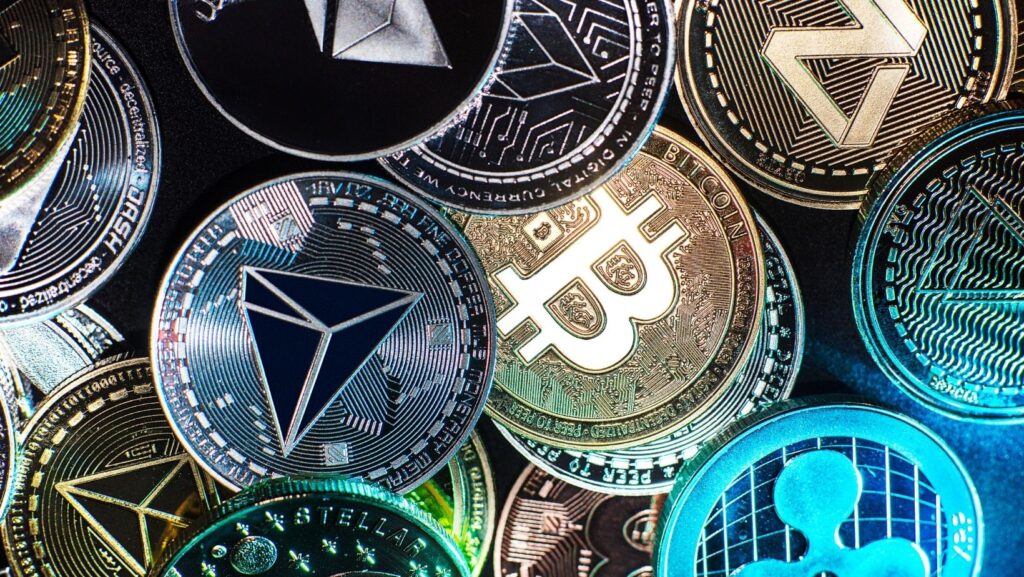
The crypto market run holds on as 2026 draws near, with the market leader rejoicing over a new ATH of over $124K and raising the bar for all the other cryptos around. Known as the best cryptocurrency on the market, it reached its peak in mid-August, thanks to favorable regulatory changes and increasing institutional demand. But Ethereum didn’t sit on the sidelines: it surpassed its previous record high and hit $4,9K, establishing a new ATH in value. Other cryptos have been thriving in 2025, too. XRP, for instance, registered a growth of around 400% over the past year, and Solana gained around 42% over the same period, while other market participants, like Tether, stagnated. Growth in performance, demand, image, and stability doesn’t look the same for all cryptos. What’s important is that bullishness still pervades the market, and with the anticipated upcoming market regulations and institutional clarity ahead, crypto may continue to remain in a favorable position.
The latest achievements, such as Bitcoin’s increasing integration with large-scale payments and treasury holdings, and the recently greenlighted ETFs for XRP and DOGE, keep investors glued to their screens. There’s a widespread appetite for crypto, particularly among younger cohorts, where 44% of them chose crypto assets as their first investment, as opposed to the 35% of Millennials and Generation X doing the same. Crypto assets are the most common vehicles for investments in the U.K. and Canada, but the U.S. and other parts of the world are making progress, too.
All these developments mean one thing: crypto literacy isn’t a nice-to-have capacity. It’s key to being financially ready and prepared to take part in a world that’s increasingly decentralized and customer-oriented. That being said, let’s determine whether crypto makes a good fit for your investment portfolio, whether you should wait for more clarity and security, or if you should focus on other, more established investment tools.
From $2.5TN To $4TN In Just One Month
Yes, you read it right. The crypto market has gained around $1.5TN in around one month, touching a market cap worth ~$4TN at press time, with the typical fluctuations. The message is clear: institutions are buying. This ascent encourages increasingly more people, particularly newcomers, to take notice, and prompts serious questions. Is crypto actually of value? Could it have a valid utility? What’s the difference between traditional assets and cryptocurrency?
Crypto can make a wise investment, but with the expected considerations. It shouldn’t make up the entirety or more than half of the portfolio, but be approached as a satellite allocation that diversifies the portfolio.
Key Points To Keep In Mind
Crypto’s potential is no lie, and so is the risk and volatility that come with it. It’s about self-custody responsibility and regulation. Here’s a crypto summary:
- Crypto is a good diversification tool that has a healthy return potential, functions around the clock, makes microtransactions possible, and clears the path for tokenized assets, decentralized finance (DeFi), and brand-new financial opportunities worldwide.
- Some of the most important risks to consider include excessive price fluctuations, fragmented liquidity, security threats, and irregular regulation, meaning you should tread carefully and invest small amounts of money, one investment at a time.
- The most advisable way to approach the top contenders, Bitcoin and Ethereum, is with a long-term perspective since they tap into the rising investor interest and demand, so they’re expected to offer better returns in the long run. Only direct more modest amounts of money to other cryptos, including altcoins and stablecoins.
- There are many risk management solutions to use, including Dollar-Cost Averaging (DCA), portfolio rebalancing, stop-loss orders, position sizing, and more. Discipline and education can weigh just as much as the asset you invest in.
- ETF emergence, DeFi expansion, real-world asset tokenization, rising institutional adoption, and increasing customer education are all fueling experts’ bullishness on crypto’s future.
Crypto As An Asset Class
Cryptos are basically digital assets that function thanks to decentralized networks that don’t involve central authorities like banks and governments, alongside cryptography as the technology that keeps them pseudonymous. Governments issue fiat money, but crypto is the first asset class to be completely controlled by coding systems, and wholly digital. Some of this asset class’s main and most definitive attributes include:
- Since crypto is completely digital, coins and paper can’t be used in transactions or to prove ownership. A distributed and digital ledger processes and stores crypto-related activities, like transfers, making all accessible only via cryptographic keys.
- All transactions are registered on blockchains, also known as distributed ledgers, and are immutable and transparent. Data can’t be modified once it’s logged onto the chain.
- Cryptographic systems safeguard digital wallets, validate transactions, and avert double-spending, guaranteeing trust in a trustless ecosystem.
Blockchain, Making Digital And Decentralized Money A Reality
Blockchain is the foundation of the entire cryptocurrency system, guaranteeing immutability, transparency, and security – the qualities that make this technology a suitable fit for financial transactions and beyond. All transaction blocks are attached to the preceding ones, creating an unassailable chain. Consensus models like Ethereum’s proof-of-stake (Pos) and Bitcoin’s proof-of-work (PoW) validate participant agreements.
Smart contracts, also known as self-executing programs, were introduced on Ethereum, further magnifying the blockchain’s role by enabling programmable and automated contracts.
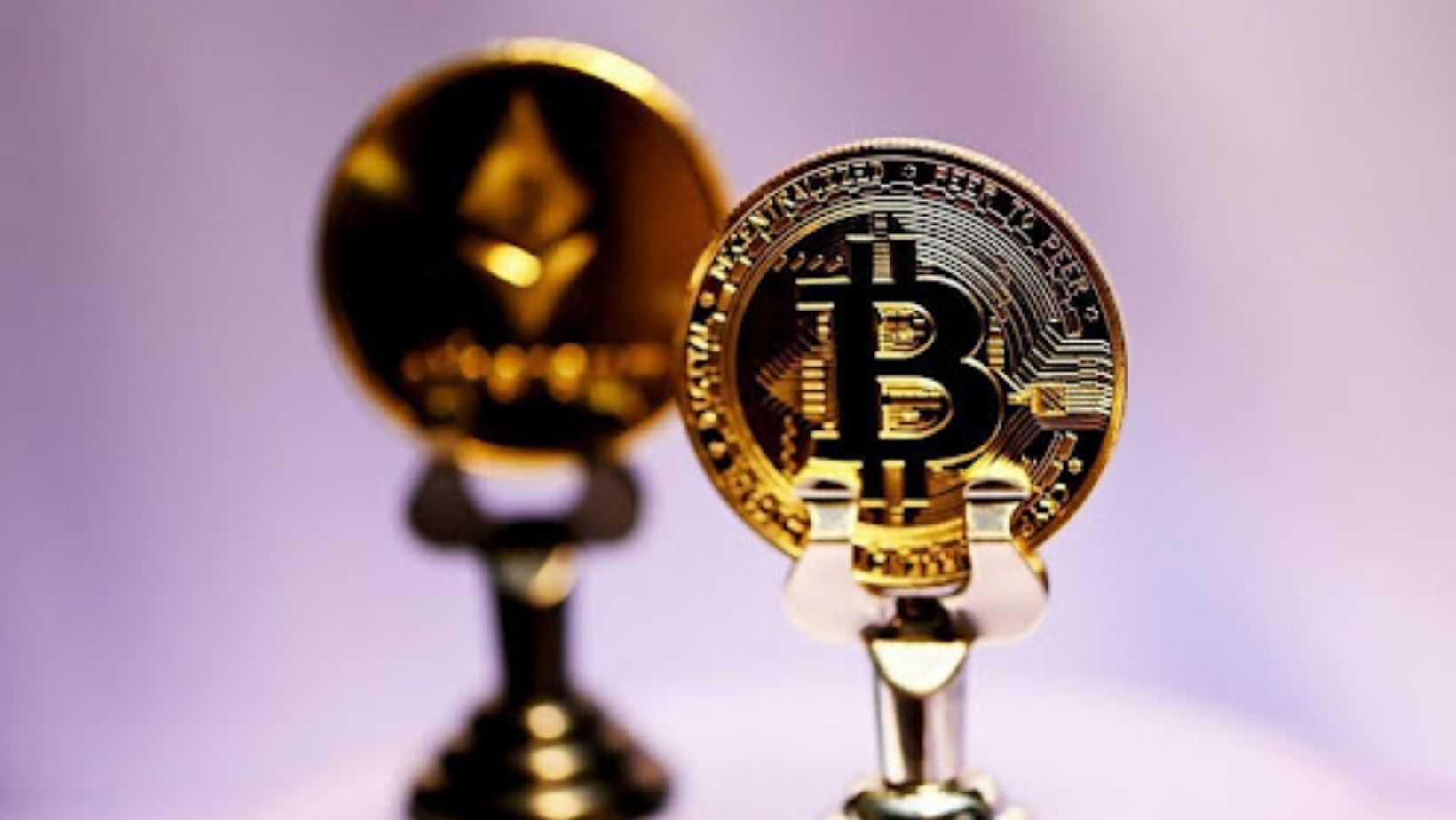
A Look At The Main Two Cryptos
Bitcoin is the first and foremost blockchain-fueled currency, issued in 2009 by an anonymous developer or group of devs, Satoshi Nakamoto. It’s often associated with digital gold as it’s decentralized, scarce, and treated as a store of value.
Ethereum, on the other hand, is the second-largest cryptocurrency in existence, entering the market in 2015. It’s notorious for its extensive list of tech developments supported, ranging from decentralized applications (DApps) to smart contracts.
Closing Note
Cryptocurrency can make a legitimate asset class this year and beyond. However, it’s a good addition to portfolios only when the risks are completely understood, allocations are reasonable, and the investor remains disciplined and focused on long-term gains instead of seeking to profit from short-term price changes.
About The Author