No sticker price exists. That’s the first thing you need to accept about MICROS POS pricing before you pick up the phone or fill out a contact form. Oracle doesn’t publish a rate card, authorized resellers quote what the market will bear, and the final number depends on a dozen variables you probably haven’t mapped yet. So before you sit across from a sales rep and nod along to a proposal you don’t fully understand, let’s break down what actually drives the cost.
Understanding MICROS POS System Cost: Key Factors
Initial Investment: Hardware and Software Licenses
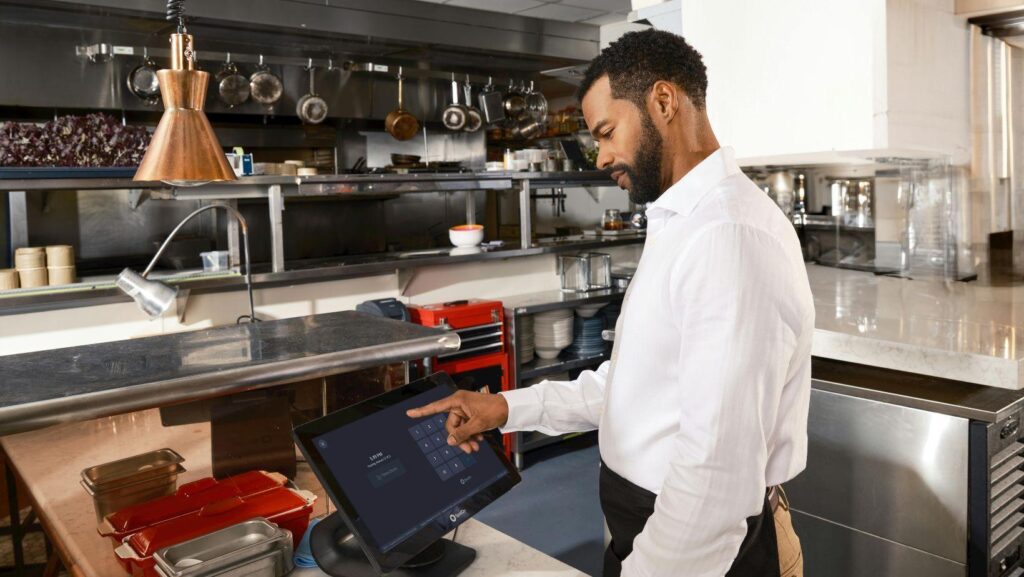
Hardware is the easiest part to price — and still nobody quotes it the same way. Add a Kitchen Display System (KDS), a handheld for tableside ordering, or an EMV-certified card reader, and that number climbs fast. Multiply by terminal count and you’re already looking at a significant upfront check before the software conversation even starts.
Software licensing is where it gets opaque. Oracle MICROS doesn’t sell a box with a price tag. Licensing is module-based — core POS engine, inventory management, loyalty, reporting, labor scheduling — each adds to the total. The more modules you activate, the higher the license fee. I’ve seen operators get quoted for “standard” packages that quietly included modules they’d never use just because they were bundled in.
Ongoing Expenses: Subscription Fees and Support
MICROS Simphony Cloud sits in this tier, though the exact figure varies by partner and contract. On-premise deployments flip the model: higher upfront, lower monthly, but you own the maintenance burden.
Annual support costs are the line item that surprises most operators. If your license runs high, that recurring cost compounds every year. Check whether 24/7 coverage is included or if after-hours support triggers an additional fee — because at 11pm during a Saturday dinner rush, that distinction matters.
Installation, Training, and Hidden Costs
Multi-terminal installs with network configuration, printer mapping, and KDS wiring pull toward the higher end. Training is often quoted separately — or quietly absorbed into a “deployment package” that you didn’t price out line by line.
Watch for these during any quote review:
That last one bites hard. PCI scope expands the moment you process EMV cards through integrated payment hardware, and some resellers treat compliance tooling as a separate SKU.
Detailed Breakdown of MICROS POS Pricing Models
Oracle MICROS Simphony Pricing: What to Expect
All pricing is negotiated directly with Oracle or an authorized partner; there is no public rate sheet. This isn’t a bug in their sales process. It’s by design. Volume matters: a 3-terminal neighborhood bistro and a 40-location casual chain won’t receive the same per-terminal rate, and Oracle’s partners have room to move on margin.
During breakfast rush, if your Simphony cloud instance loses connectivity, the system falls back to offline mode and queues transactions locally. That’s a real-world scenario worth asking about in your demo — specifically: how long can it queue, what happens to split checks during an outage, and does offline mode support EMV chip processing or revert to swipe?
Essential Components: Terminals, Peripherals, and Software Modules
A full front-of-house setup typically includes: fixed terminals at the host stand and bar, handheld devices for tableside ordering, KDS units in the kitchen, a cash drawer, receipt printers, and at least one customer-facing display. Each peripheral carries its own hardware cost and, in some configurations, its own software license seat.
Modules that inflate the quote most often:
If you don’t need it on day one, push back on bundled modules. Get them priced individually so you can activate later without renegotiating the whole contract.
Pricing Tiers and Customization Options
Oracle structures Simphony in tiers, but the tier boundaries shift based on what an authorized reseller decides to present. Some partners lead with an “essentials” configuration; others push the full enterprise stack from the first meeting. Know your actual requirements before the demo — table count, average covers per shift, number of revenue centers, integration needs — so you’re not buying runway you’ll never use.
MICROS POS System Cost for Restaurants: A Comprehensive Guide
If you want a transparent breakdown of what goes into a full deployment before you get on a call, the MICROS POS system cost FAQ is worth reading first. It covers the variables resellers tend to gloss over in the opening pitch.
Small Restaurants vs. Large Chains: Cost Variations
A single-location restaurant with two or three terminals operates on a fundamentally different cost structure than a regional chain with dozens of locations. Per-terminal costs drop at volume — that’s standard in any enterprise software deal. But small operators don’t just pay more per unit; they also absorb the full weight of setup fees, training, and support contracts that a chain can spread across properties.
At 9pm close on a Friday, a single-location owner troubleshooting a failed end-of-day report doesn’t have an in-house IT team. Support contract quality matters more at that scale than it does for an operator with a dedicated tech team on retainer. Price the support tier accordingly.
Comparing MICROS with Other Restaurant POS Systems
MICROS competes against platforms that do publish pricing — which creates an apples-to-quoted-price comparison problem. MICROS quotes tend to look expensive until you scope both sides equally. Compare total cost of ownership over a 3-year period, not just monthly subscription fees.
The catch is: you can’t do that comparison without a real MICROS quote in hand. Which brings us back to the prep work.
ROI and Long-Term Value Proposition
MICROS historically holds value in high-volume, complex environments — full-service restaurants, hotels, multi-concept operators. The platform handles split checks, multi-course sequencing, and revenue center separation in ways that lighter systems choke on during a busy service. If your operation is straightforward, the overhead may not justify the cost. If you’re running a high-volume dining room with bar service and private events, the operational fit changes the ROI math.
Maximizing Value: Tips for Negotiating MICROS POS Prices
Requesting Detailed Quotes and Demos
Don’t accept a bundled proposal without a line-item breakdown. Ask for hardware costs, software license fees, subscription rates, setup fees, training costs, and support contract terms — each as a separate line. Run a demo against your actual peak-hour workflow, not a controlled scenario. Ask the rep to show you what happens during a void after close, a duplicate authorization on a card-present transaction, and a KDS reprint after a ticket is already fired.
Understanding Contract Terms and Conditions
Watch the contract length. Multi-year commitments often come with lower monthly rates but limited exit options if the deployment underperforms. Check whether hardware is purchased outright or leased — leased hardware looks cheaper monthly but costs more over the contract term. Verify whether payment processing is bundled or separate; some partners require you to use their processing arm, which locks your interchange rates for the contract duration. That’s where the real margin lives — not in the POS software fee.
FAQ: Your Questions About MICROS POS Pricing Answered
Does Oracle publish MICROS POS pricing? No. All quotes are custom, negotiated through Oracle’s sales team or an authorized reseller. There is no public rate card.
What’s a realistic upfront cost for a restaurant deployment? Software licensing varies by module selection and is not publicly listed.
Are there monthly fees?
What drives the cost up most? Terminal count, module selection, integration complexity, and support tier. Adding KDS units, handhelds, and advanced analytics modules can substantially increase both upfront and recurring costs.
Can I negotiate? Yes. Volume, contract length, and bundled payment processing all create negotiation leverage. Know your numbers before the first call, get everything itemized, and don’t sign a multi-year deal without an exit clause tied to service-level performance.
About The Author