There is a category of arcade game that has never received a serious review from any major Western gaming publication, has never been the subject of a documentary, has no dedicated esports circuit, and generates zero coverage in the gaming press that covers everything from Palworld modding communities to the competitive scene for 25-year-old fighting games. This category has millions of active players across Southeast Asia, dedicated professional studios that have been iterating on it for two decades, and a cultural embedding in Malaysian, Indonesian and Filipino gaming communities that no Western gaming format can claim to have replicated in those markets.
The category is fishing games. And the story of why Western gaming media has never engaged with it seriously is also a story about what gets left out when a global industry’s narrative is written from a single geographic perspective.
What the Format Actually Is
The description sounds simple. Players control a cannon that fires at fish swimming across a shared screen. Different fish carry different point values. Catching them requires different amounts of ammunition — which costs real credits. Accumulated points convert to real-money rewards at defined rates. Multiple players share the screen simultaneously, each controlling their own cannon, each making real-time decisions about which targets justify the ammunition cost.
The description undersells the experience significantly.
The resource management layer is genuine. Every shot is an investment decision made under time pressure. The small, predictable fish near the screen’s edges offer reliable modest returns. The large boss fish — which appears on a schedule, moves unpredictably and requires sustained coordinated fire from multiple players to catch — offers large returns but demands a cost commitment that the player must decide to make before knowing how much competition they will have from other players at the table.
The cooperative dimension is real and underappreciated. When multiple players all fire at the same boss fish, the catch is distributed proportionally to their individual contribution. The player who holds back, lets others commit ammunition, and then fires heavily in the final seconds captures a disproportionate share of the reward. The player who fires first and continuously maximises their hit count but spends more to do it. These are genuine strategic decisions, not cosmetic variations on a simple mechanic.
The studio craft involved in producing these games is calibrated for a specific audience with a specific history with the format. JDB’s Dragon Fortune, CQ9’s Ocean King series — these are not minimal-effort gambling products. They are the output of studios that have spent years understanding exactly which fish movement patterns, special event timing and visual design elements produce the engagement response in their specific cultural market that keeps players returning.
Twenty Years of Cultural History
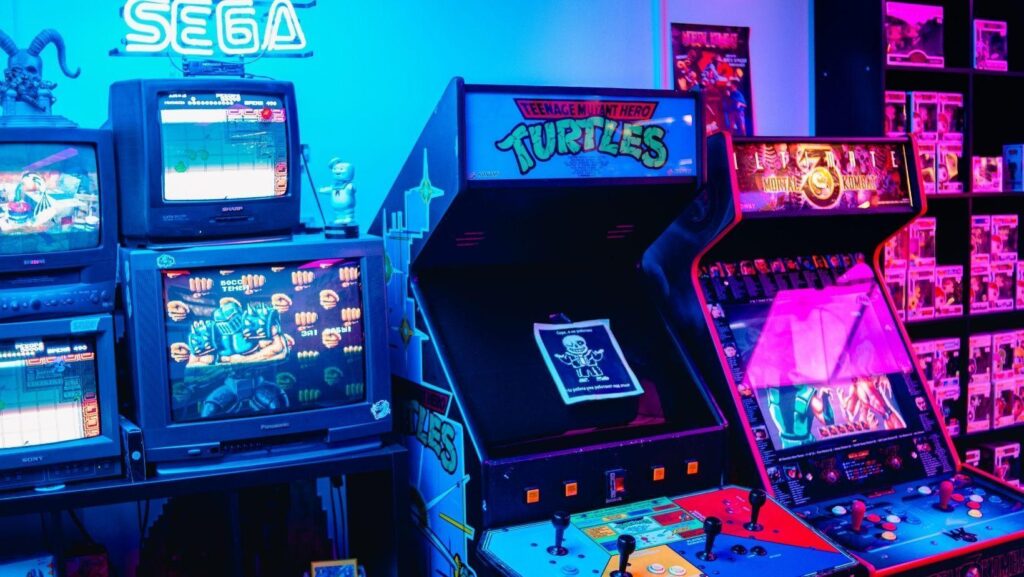
The fishing game format in Southeast Asia did not begin on smartphones. It began in physical gaming centres — the arcade equivalents that occupied shopping mall basement floors across Kuala Lumpur, Penang, Jakarta and Manila through the 2000s and into the 2010s. IGS’s Ocean King, released in the early 2000s, established the multi-player cabinet format that most subsequent fishing games followed. The four-player cabinet — four cannons, one shared screen, one pool of fish — became a fixture of Malaysian gaming centre culture in the same way that fighting game cabinets defined American arcade culture a decade earlier.
The Malaysian teenager who played fishing games at a gaming centre in 2005 was not making a choice between fishing games and Western gaming alternatives. They were playing the games that were available at the social space where gaming happened in their community. The preference that formed was community-embedded and socially reinforced in a way that no amount of subsequent exposure to Western gaming formats has erased.
This is the origin of the format’s current cultural position. The preference for fishing games among Malaysian adults in 2026 is not product-driven. It was not created by platform algorithms or marketing. It emerged from genuine community gaming practice that preceded the digital platforms that now serve it. When a player in Kuala Lumpur opens longfu-88.games and navigates to the fishing games section, they are not discovering a new format. They are returning to something familiar in a more accessible delivery medium.
What Western Gaming Coverage Misses
The Western gaming press has a structural blind spot around this format that is worth being direct about. The major gaming publications are headquartered in North America and Europe. Their writers play the games that are marketed to North American and European audiences. The games that are developed by Southeast Asian studios for Southeast Asian audiences through regional distribution channels in regional languages do not enter the coverage pipeline.
This is not malice. It is the predictable consequence of covering gaming from a specific geographic location. The same publications that have produced exhaustive coverage of every Soulslike variant, every battle royale iteration and every live service update schedule have produced essentially nothing on a gaming format with 20 years of active development, dedicated professional studios and millions of engaged players.
The gap is most visible when gaming media writes about Southeast Asia’s gaming market growth. The articles discuss revenue figures, mobile penetration rates and the opportunity for Western publishers to expand into the region. They almost never discuss what games Southeast Asian players are actually spending time and money on — which, in Malaysia and Indonesia, includes fishing games as a primary category rather than a marginal one.
What This Reveals About Catalogue Design
The fishing game format’s presence or absence on a gaming platform is a signal about how the platform was designed and for whom. A platform that includes fishing games as a primary section, sourced from the studios that built the format for this specific market, was built with genuine understanding of Malaysian gaming culture. A platform that excludes them or includes a token selection from non-specialist studios was built from a different cultural reference point and adapted.
Longfu88 carries a dedicated fishing games section from JDB, CQ9 and KA Gaming — the studios whose catalogues are built almost entirely around this format. The choice is not incidental. It reflects the same principle that determines every other aspect of catalogue design when it is done with genuine market understanding rather than generic accumulation: the specific cultural relationship that Malaysian players have with specific gaming formats matters more than the format’s visibility in global gaming coverage.
The same principle extends to the rest of the 7,500+ title catalogue. Push Gaming’s Jammin’ Jars 2 and Razor Shark are there because the studio’s specific mechanical approach — the cluster-pay grid, the cascading multiplier logic — produces a different player experience from the dominant reel format that most of the catalogue’s Pragmatic Play and NetEnt titles use. The format diversity serves genuine player diversity, not a headline number.
The Discovery Gap That Gaming Media Has Left Open
For the player who has spent years consuming Western gaming media’s coverage of the gaming landscape, the fishing game format represents a genuine discovery gap. There are formats, studios and gaming cultures that global gaming coverage has not addressed — not because they are obscure but because they developed outside the geographic field of view that the major publications have always covered.
The fishing game is the clearest example of this gap because it is so large and so old. Two decades of active development, millions of players, professional studios with extensive catalogues — and essentially no coverage from the publications that cover every other gaming format in exhaustive detail.
Closing this gap is not primarily about reading about it. It is about playing it — which requires finding a platform where it is available in its developed form, from the studios that built it for this specific market, rather than in an adapted or tokenistic version. The player who gives a JDB or CQ9 fishing game title a full session on a platform like longfu-88.games will have a more useful frame of reference for understanding what Southeast Asian gaming culture actually looks like than any amount of market report reading will provide.
What It Comes Down To
Gaming culture is not monolithic. The formats, studios and community practices that define gaming in Malaysia and Southeast Asia are as developed, as historically embedded and as culturally significant as the ones that dominate global gaming coverage — they are simply invisible from the perspective that most gaming media is written from.
The fishing game is the format that makes this invisible visible most clearly. Twenty years old. Millions of players. No coverage. That gap is not about the quality of the format. It is about the geography of gaming media’s attention. For the reader who wants to understand what they have been missing, the format is worth a session. The studios that built it deserve the same analytical attention that the Western gaming press gives to every FromSoftware release and every Call of Duty seasonal update.
About The Author