Open source software is everywhere. It helps developers build faster, but it also brings security risks that can be easy to miss.
That’s where Software Composition Analysis (SCA) tools come in. They scan your open source dependencies for known vulnerabilities, risky licenses, outdated packages, and even malicious software before those issues become bigger problems.
The best enterprise SCA tools don’t just show you a huge list of CVEs. They help you figure out which ones actually matter and make them easier to fix.
To help you find the right platform, we compared three popular enterprise SCA tools: Aikido Security, Mend.io, and Snyk Open Source.
How We Compared These Platforms
Instead of comparing every single feature, we looked at the things most teams care about.
- Finding Real Risks
Does it help you find the vulnerabilities that actually matter?
- Ease of Use
Is it easy to add to your development workflow?
- Automation
Does it help you fix issues faster with automation or AI?
- Open Source Protection
Can it do more than find CVEs, like detect license issues, malware, or outdated software?
- Overall Value
Does it give you enough features to be useful in the long run?
1. Aikido Security
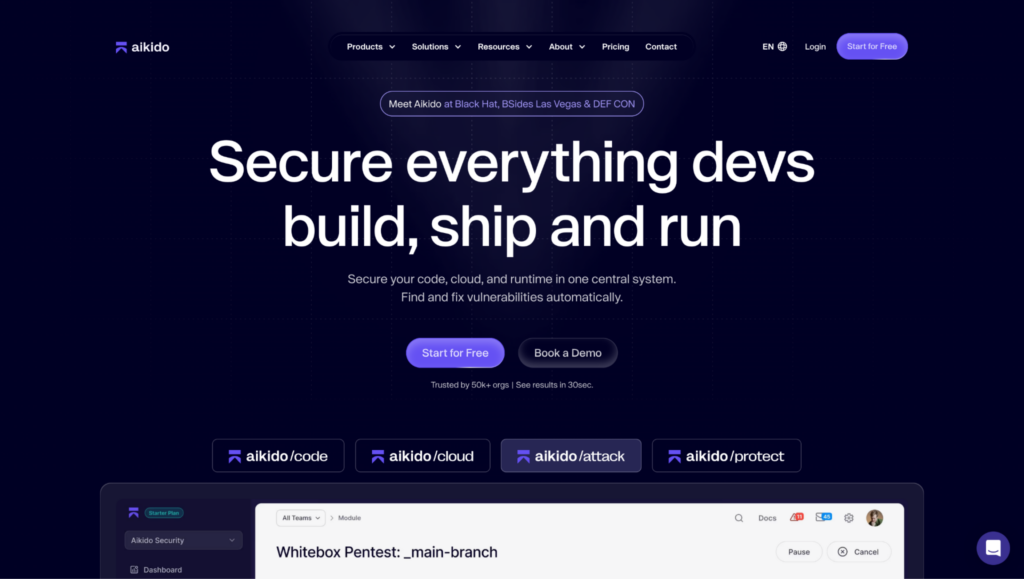
Aikido Security stood out because it offers much more than a typical SCA tool. Along with dependency scanning, it also includes SAST, DAST, secrets scanning, cloud security, runtime protection, and vulnerability management in one platform.
If you’re trying to reduce the number of security tools your team has to manage, that’s a big advantage.
What We Liked
One thing we liked most was how Aikido helps reduce alert fatigue. Instead of showing every vulnerability it finds, it looks at whether a vulnerability can actually affect your application. That means your team spends less time sorting through alerts and more time fixing the issues that really matter.
We also liked how easy it makes fixing problems. AI-powered AutoFix can create merge-ready pull requests, and in some cases Aikido can patch vulnerable packages without forcing you to move to a newer version that could introduce breaking changes.
Another nice bonus is Aikido Intel, which helps detect malware and new threats across popular open source ecosystems before they become bigger problems.
Where It Really Stands Out
- Focuses on vulnerabilities that are actually exploitable
- AI-powered AutoFix with merge-ready pull requests
- Malware detection and license checks
- One-click SBOM generation
- Finds outdated software
- Works across IDEs, Git, CI/CD pipelines, containers, and virtual machines
Who Should Choose It
Aikido is a great choice if you want more than just SCA. It’s ideal for teams looking for one platform that covers most of their application security needs.
2. Mend.io
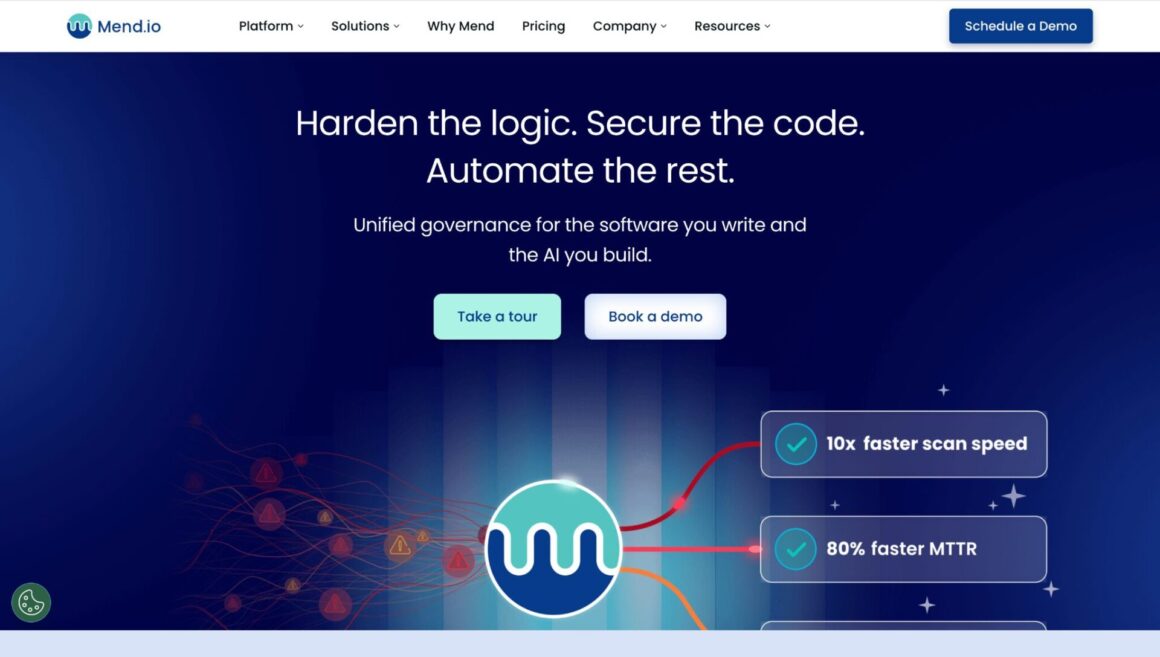
Mend.io has been one of the leading SCA platforms for years. It’s especially popular with larger companies that need to manage lots of open source dependencies while staying on top of security and license compliance.
What We Liked
One thing that stood out was how much visibility Mend gives you into your open source software. It helps teams keep track of dependencies, known vulnerabilities, and license issues across large projects.
We also liked that it’s built with enterprise teams in mind. It integrates with common development tools and CI/CD pipelines, making it easier to monitor dependencies throughout the development process.
Another strength is its policy management. Teams can create security and compliance rules to help keep projects consistent across the organization.
Where It Really Stands Out
- Strong open source vulnerability scanning
- License compliance tools
- Good visibility across large projects
- Security policy management
- Integrates with popular development tools
- Who Should Choose It
Mend is a good fit for larger organizations that need strong open source governance and compliance features alongside SCA.
3. Snyk Open Source
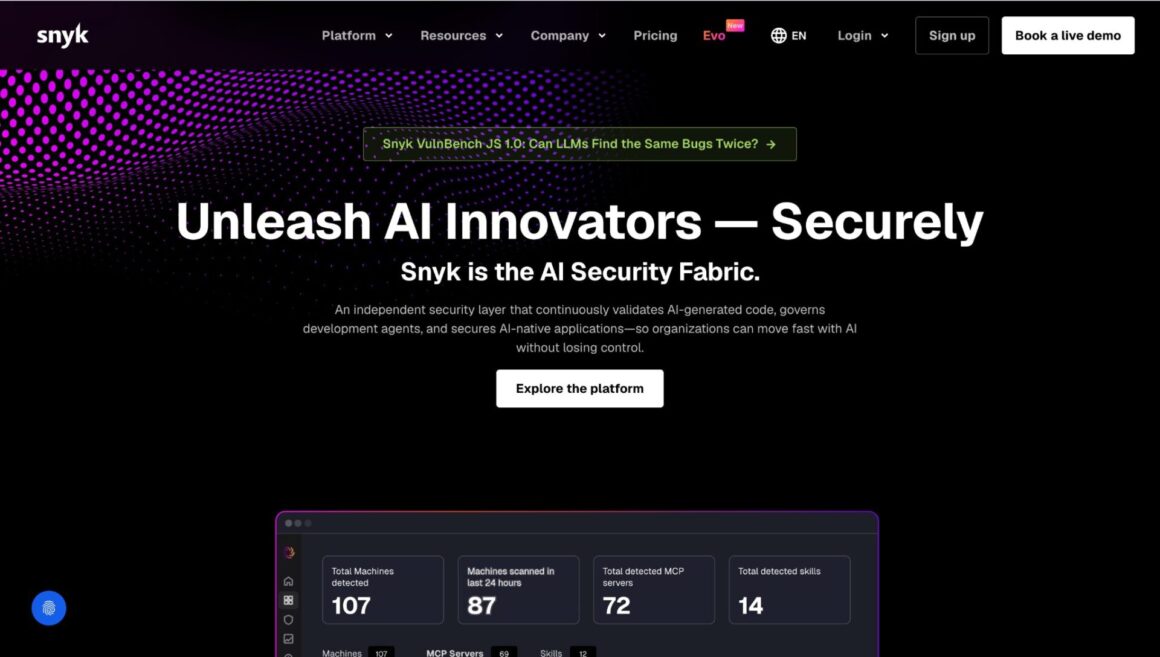
Snyk Open Source is one of the best-known SCA tools, especially among development teams. It’s designed to help developers find and fix vulnerable dependencies early, without slowing down development.
If your team likes to deal with security issues while writing code instead of later in the release process, Snyk is a strong option.
What We Liked
One thing we liked was how well Snyk fits into everyday development. It integrates with IDEs, Git repositories, and CI/CD pipelines, so developers can spot dependency issues before they make it into production.
We also liked that Snyk provides clear fix recommendations. Instead of simply telling you there’s a vulnerability, it usually suggests which package version to upgrade to, making it easier to resolve issues.
Another plus is that Snyk supports a wide range of programming languages and package managers, making it a good choice for teams working across different projects.
Where It Really Stands Out
- Developer-friendly interface
- IDE, Git, and CI/CD integrations
- Clear upgrade recommendations
- Broad language and package manager support
- Continuous dependency monitoring
Who Should Choose It
Snyk is a great fit for development teams that want security built into their everyday workflow and prefer fixing dependency issues as early as possible.
Which Tool Should You Choose?
All three tools do a great job of helping teams manage open source risk, but they’re built for slightly different needs.
Mend.io is a strong choice for larger organizations that need advanced open source governance and license compliance.
Snyk Open Source is ideal for development teams that want a simple, developer-friendly way to find and fix vulnerable dependencies.
For us, Aikido Security stood out as the strongest overall option.
It doesn’t just scan dependencies – it also helps reduce alert noise by focusing on vulnerabilities that are actually relevant to your application. On top of that, you also get malware detection, SBOM generation, license checks, AI-powered AutoFix, and a complete AppSec platform that includes SAST, DAST, cloud security, runtime protection, and more.
About The Author