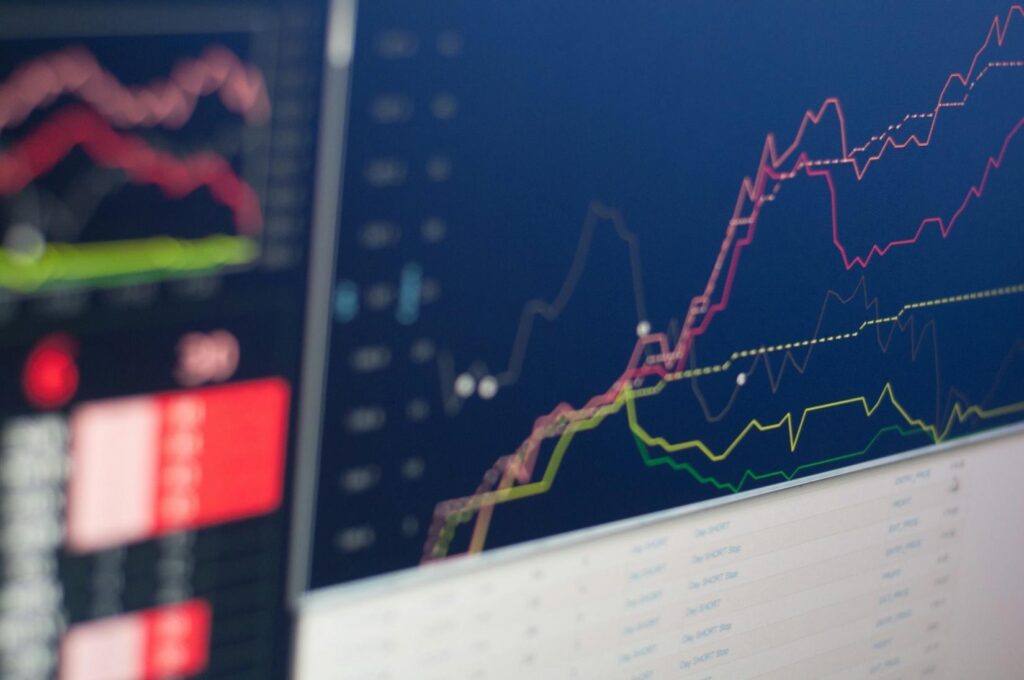
Cryptocurrency predictions are becoming more challenging to get right, considering the evolving economic world situation. Geopolitics, continuous conflicts, and rising climate change issues are taking a toll on the crypto industry. Investors are fearing another fall of the market, especially with the contradictory regulations across the world.
However, many investors forget about the market cycles, which are different phases where cryptocurrency goes through recurring events as they grow, reaches a peak, declines, and then recovers. Therefore, you must consider the factors that weigh the most in predictions, such as adoption rates, technological advancements, and regulatory developments that influence the dynamic of these cycles you can draw from the recent crypto news today.
These cycles are different each time a loop closes, so let’s learn more about the signs of a new cycle and how you should adjust the portfolio according to the market cycles.
Understanding how crypto market cycles happen
There are four market cycles that every crypto investor and trader should be wary of when analyzing the performance of the coins. They are generally characterized by rising and falling prices, with each cycle being represented by unique factors, but the repetitive phases can help users make better decisions for every step in the cycle.
The accumulation phase
The accumulation phase is the first phase of a cycle, opening the chance for better positions following a market downturn. Therefore, users are buying low-priced cryptocurrencies as they’re not confident enough to invest more after the market was influenced by negative sentiments and a lack of public interest. However, it’s a lucrative period for savvy investors.
The uptrend phase
Also known as the bullish trend, the uptrend phase is one of the most profitable since crypto prices are rising, and investor sentiment improves, pushing for a growing trading volume. Slowly, prices reach the level of an all-time high, and the Fear and Greed Index goes toward greed rather than fear. This has an influence on investors and traders’ actions since they are positive about the potential opportunities for buying.
The distribution phase
The distribution phase is the ideal time to showcase your skills since it’s when prices reach their peak, and users can acquire profits. This is where sentiment is overly optimistic, but it doesn’t last long since price fluctuations appear as sellers start to outnumber buyers. Therefore, signs of a potential fallout start to show during the middle of this phase, which include growing volatility and mixed sentiment.
The downtrend phase
This phase is sometimes referred to as the bearish trend, since prices fall abruptly, and ongoing negative sentiment causes fear among investors and traders. It is the best time for cautious users to hold on to their assets, especially if they couldn’t exit the market during its peak. As a negative phase on the market, monitoring prices and assets’ performance is best to spot opportunities for long-term investments.
How to tell if a market cycle is about to happen
Market cycles can be unpredictable, especially with today’s global events. However, some recurring events and known features of the crypto market can act as guiding tips. For example, Bitcoin halving events happen every four years and are most likely to change the normal course of things, regardless of what cycle the market is at. The halving has been created to create scarcity and demand for the coin, as it reduced the block reward for miners, which has usually preceded major bull runs.
Other events to look out for include:
How can you navigate cryptocurrency cycles?
It may seem that, with proper research and tools, everyone can predict the next step in the market cycle. However, some challenges arise, including the speculative nature of digital assets, which makes them unpredictable. At the same time, regulatory uncertainty surrounding the use of cryptocurrency will cause enhanced fear for investors.
Luckily, several strategies can help you navigate any potential issues, and they’re all directed by proper management:
Overall, approaching a long-term perspective is best for protecting your assets from volatility as an investor, but this can apply to traders as well.
How to avoid getting scammed during a change of market cycle
One of the most dangerous aspects of investing during the market cycle is listening to crypto gurus and influencers offering you unsolicited advice. In many cases, these online personalities lack the knowledge to act as financial advisors, but will lure you into engaging with their accounts to support their growth and even financial goals.
Therefore, using online people’s guidance as a true strategy is wrong. Moreover, their approaches can include financial scams, in which you offer them a small amount of crypto or vice versa, usually in exchange for sensitive information about your account.
Scams are especially common during bearish moments, when people’s panic urges them to make the easiest decision, even if it comes from someone else. So, always do your research and analysis of the market before applying someone else’s approaches to your specific situation.
Final considerations
The different market cycles present a series of challenges and opportunities. From the accumulation phase, when investors are uncertain about economic conditions yet start investing, to the downtrend phase, when the market is fully down, investing and trading can feel like a true rollercoaster. Still, if you do your homework and learn about the possible signs of a new market cycle, there are chances of avoiding risks and reaching profit. Make sure to implement safety methods of diversification and dollar-cost averaging to manage the heightened volatility during unstable market sequences.
About The Author