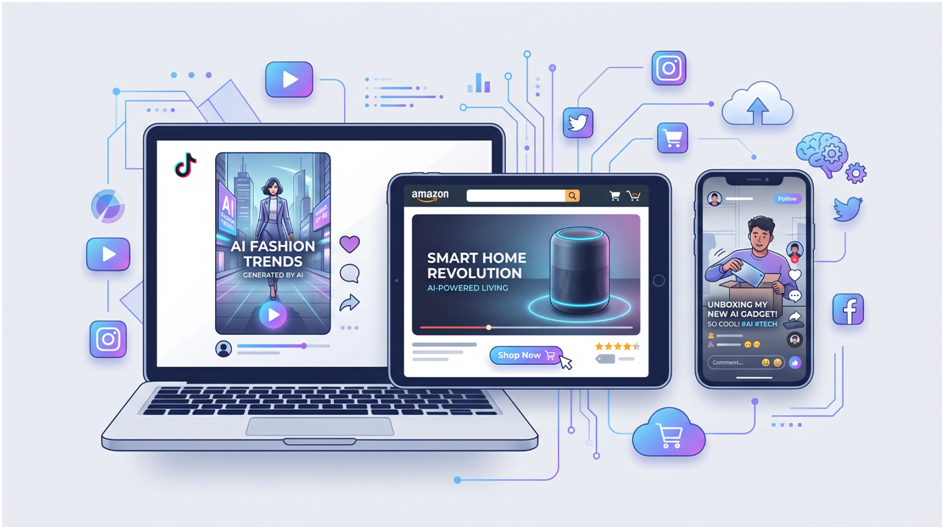
Commercial video production has always demanded substantial investment. Studios, equipment, crew members, post-production teams, and timelines all add up. AI video tools are changing that equation by making it possible to move from an idea to a finished clip with far less friction, especially for short-form marketing content.
For marketers, the real value is not just speed. It is the ability to create videos that fit a specific commercial objective, whether that is a UGC-style testimonial, a performance ad, or a product-focused affiliate clip. According to Seedance AI Video Statistics, Seedance 2.0 delivers 90%+ usable output rates, enabling creators without production teams to achieve results that previously required significant resources.
This piece explores how Seedance 2.0 fits into commercial video workflows, what content types it handles well, and practical approaches for different business applications.
Why Consider Seedance 2.0 for Commercial Video Production
Not every AI video tool makes sense for business use. Some produce results too inconsistent for commercial application. Others lack the control needed for brand consistency.
Seedance 2.0 addresses several common pain points.
Reference-Based Output
Upload product photos directly. The Omni reference system accepts images, video clips, and audio files. Twelve inputs maximum per generation.
Product shots taken on a phone can inform polished commercial sequences. Style references guide aesthetic choices. The AI incorporates these visual inputs alongside text prompts.
Shot-to-Shot Consistency
Multi-shot sequences maintain appearance across scenes. A product looks the same in shot three as it did in shot one. Same applies to any characters or environments.
This matters for brand recognition. Inconsistent visuals confuse audiences and weaken brand identity.
Audio-Visual Synchronization
Video and audio generate together rather than sequentially. This synchronization produces more natural results than layering sound over finished visuals.
Risk-Free Trial
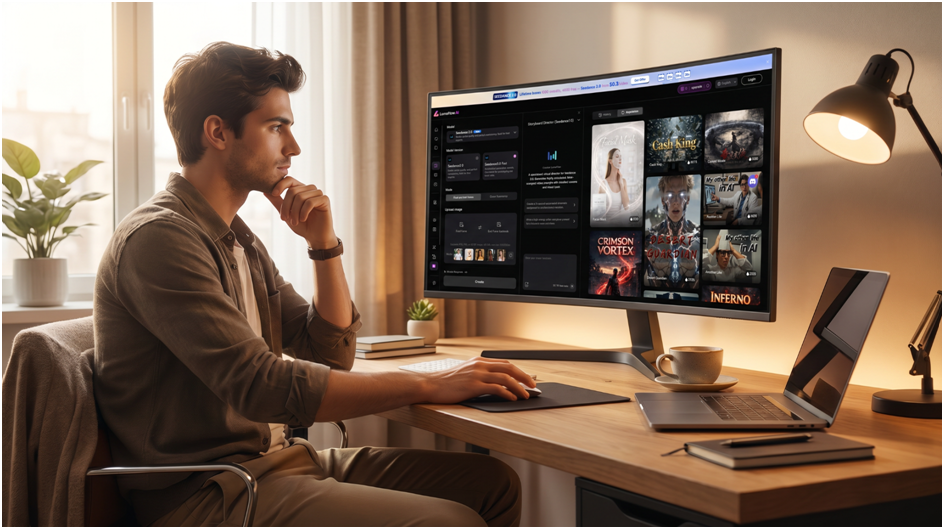
Getting started with Seedance 2.0 costs nothing upfront. LumeFlow AI offers 60 free credits to new users, enough for a Seedance 2.0 video generation.
What Commercial Videos Can Seedance 2.0 Create
Different business objectives require different content approaches. Understanding available options helps match tools to goals.
UGC Videos
UGC mimics authentic customer experiences. Real moments, natural settings, unpolished aesthetics.
This style works for social campaigns and brand awareness efforts. The authentic feel resonates with audiences tired of overly produced content.
Advertising Videos
Higher production values suit advertising needs. Multi-shot sequences accommodate complete commercial storytelling.
Product demonstrations, lifestyle integration, brand narratives, and calls to action all fit this category.
Platform placement determines format requirements. TikTok, Amazon, YouTube, and other channels each have specific expectations.
Product Marketing Videos
E-commerce prioritizes information delivery. Customers need clear understanding before purchasing.
Feature demonstrations, scale references, and use-case demonstrations help reduce uncertainty. The goal is accurate representation rather than idealized imagery.
Affiliate Videos
Affiliate marketing relies on content that engages while recommending products.
Product reviews, comparisons, tutorials, and curated lists all serve this purpose. AI handles visual production. Human input provides authentic perspective.
How to Use Seedance 2.0 to Make Commercial Videos
A good commercial workflow does not start with prompting. It starts with a clear business objective. Before generating anything, decide whether the video is meant to build trust, drive clicks, or push a sale. That decision changes the script, the pacing, and even the visual style. The workflow below is intentionally broad so it can work across UGC, ads, and affiliate videos.
Step 1: Define the content and the format.
Start with a product, an audience group, and a goal. For example: “a new skincare product for women 25–40, short UGC-style review, 20 seconds, Instagram Reels format.” This prevents the video from becoming too generic and keeps the output commercially focused.
Step 2: Prepare references.
Use product images, brand shots, short video clips, or audio cues that reflect the style you want. Because Seedance 2.0 supports multimodal references, you can guide the model with materials that already resemble your intended result instead of relying on text alone.
Step 3: Build the prompt around the shot, not just the idea.
Describe the visual sequence in practical terms: opening scene, product reveal, key action, camera movement, and ending frame. For commercial videos, shot-level clarity usually produces better results than vague marketing language.
Step 4: Generate, compare, and refine.
Commercial video is rarely perfect on the first run. Adjust prompts to fix specific issues. Test different hooks, different opening frames, and different pacing choices. Once satisfied, generate final versions at higher resolution.
Practical Tips for Different Commercial Scenarios
Making UGC Work
l Authenticity is the point. Polished production defeats the purpose.
l Natural light sources work better than studio setups. Morning sun, window light, ambient room glow.
l Real environments beat constructed sets. Kitchens, living spaces, everyday locations.
l Imperfections signal authenticity. Slight camera shake. Natural pauses. Backgrounds with stuff in them.
l Pace content for the platform. TikTok moves fast. YouTube allows slower development.
Advertising Video Considerations
l The opening moment determines everything. Capture attention immediately or lose viewers.
l Strongest visuals belong in the first two seconds. Product reveals, dramatic lighting, dynamic movement.
l Premium aesthetics matter here. Studio-quality lighting. Professional camera work.
l VFX elements add production value when used judiciously. Light effects, smooth transitions, stylized moments.
l Duration follows platform. Six to fifteen seconds for social ads. Fifteen to thirty for marketplace placements.
l Testing multiple versions identifies what resonates. Different hooks, different pacing, different approaches.
E-commerce Video Approach
l Product clarity comes first. Every other consideration is secondary.
l Show the actual product. Accurate colors. True scale. Honest representation prevents returns and complaints.
l Scale references help. Without context, products appear smaller than reality. Hands, people, common objects provide size indicators.
l Demonstrate through action. Static shots communicate less than products in use.
l Skip distracting effects. Motion blur, dramatic shadows, stylized processing obscures what customers need to see.
l Platform specs vary. Amazon works well at fifteen to thirty seconds. Shopify stores can support longer comprehensive showcases.
Affiliate Content Strategy
l Value precedes recommendations. Help first, pitch second.
l Layer human voice over AI visuals. Seedance creates demonstrations. Human narration provides genuine opinion.
l Specific use cases beat generic coverage. Showing how products solve particular problems connects with viewers.
l Comparison content needs visual consistency. Same angles, same lighting across products being compared.
l Disclosure is mandatory. Affiliate relationships require clear identification in descriptions and content.
l Templates accelerate production. Consistent structure with interchangeable product references scales output.
Summary
Seedance 2.0 is best understood as a controllable commercial video engine rather than a generic AI toy. Its reference-based workflow, multimodal inputs, and director-level control make it practical for UGC-style content, ad creatives, E-commerce product videos and Amazon affiliate videos, especially when teams need faster production and easier iteration.
For marketers, the strongest approach is to treat it like a production framework: define the commercial goal, prepare the right references, build the shot sequence carefully, and refine the result for the specific platform. That is the workflow that turns AI video from a novelty into a usable marketing asset.
About The Author